
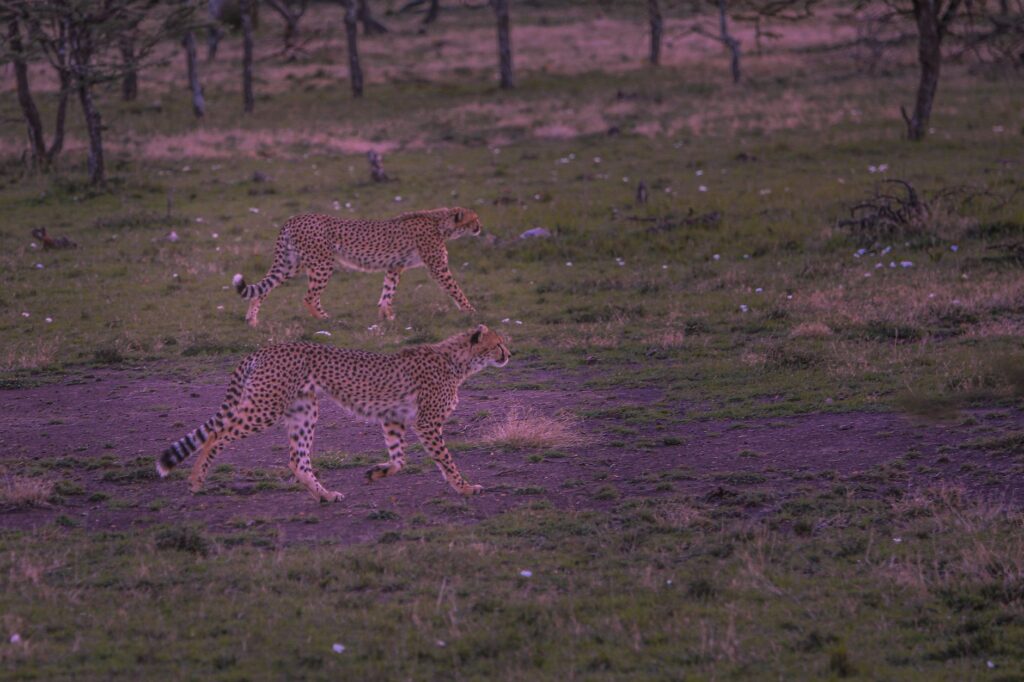
cheetahs in Kuno have experienced significant changes, with 60% now born in India. However, questions surrounding the project’s success have emerged, prompting a closer look at its impact over the past four years.
Overview of the Cheetah Project
The Cheetah Project, aimed at reintroducing cheetahs in Kuno, has seen significant developments since its inception. Originally launched with the intention of restoring these majestic animals to their former habitats in India, the project has raised both hopes and concerns among wildlife enthusiasts and conservationists alike.
In the last four years, the project has witnessed a remarkable increase in the cheetah population within Kuno National Park. Recent reports indicate that approximately 60% of the cheetahs now residing in Kuno were born in India, a testament to the project’s breeding success. However, this achievement has also led to a thorough evaluation of the project’s overall efficacy.
Critics have pointed out several challenges that have surfaced as the project progresses:
- Habitat Suitability: The ecological balance within Kuno is still under scrutiny, with questions about whether it can sustainably support a growing cheetah population.
- Human-Wildlife Conflict: Increased interactions between cheetahs and local communities pose risks to both the animals and residents.
- Genetic Diversity: Concerns about inbreeding have emerged, as the population remains relatively small.
As these issues are addressed, the future of the cheetahs in Kuno remains a topic of great interest and debate within conservation circles.
Success Metrics for Cheetahs in Kuno
The introduction of cheetahs in Kuno was celebrated as a groundbreaking conservation effort, yet questions regarding the project’s success metrics have emerged over time. With reports indicating that 60% of the cheetahs in Kuno are now born in India, it is crucial to assess the criteria by which success is measured.
Experts have raised several points of consideration:
- Population Growth: The increase in the cheetah population is a positive sign; however, survival rates and genetic diversity remain critical factors.
- Habitat Adaptation: Understanding how well these animals adapt to their new environment in Kuno is essential. Are they thriving, or are there signs of stress and struggle?
- Community Engagement: The involvement of local communities in conservation efforts is vital. Are local residents seeing benefits, or are there conflicts arising with wildlife?
- Long-term Sustainability: It is important to evaluate whether the cheetah population can sustain itself in the long run without constant human intervention.
With numerous challenges still ahead, stakeholders must redefine success for the cheetahs in Kuno. A multi-faceted approach that encompasses ecological, social, and economic aspects may provide a clearer picture of the project’s future viability.
Challenges Faced by the Project
The introduction of cheetahs in Kuno has not been without its challenges, raising questions about the project’s overall success. Despite the initial excitement surrounding the reintroduction of these magnificent felines, various issues have emerged that threaten the sustainability of the population.
One primary challenge is the adaptation of cheetahs to their new environment. Although they are known for their speed and agility, the cheetahs in Kuno have faced difficulties in acclimatizing to the local ecosystem, which differs significantly from their native habitats.
Another concern is the management of human-wildlife conflict. As cheetahs roam the area, they often come into contact with local livestock, leading to tensions between wildlife conservation efforts and farmers’ livelihoods. This conflict has resulted in retaliatory measures against the cheetahs, further jeopardizing their survival.
Additionally, the expected prey availability has not been as high as projected. This shortage can lead to competition among the cheetahs, affecting their health and reproduction rates. The overall success of the project is now being scrutinized, as only a fraction of the cheetahs in Kuno have managed to thrive in the wild.
Efforts to address these challenges are ongoing, but the future of the cheetahs in Kuno remains uncertain as stakeholders debate the effectiveness of current strategies.
Impact on Local Ecosystems
The introduction of cheetahs in Kuno has raised significant concerns regarding their impact on local ecosystems. While the project’s proponents argue that reintroducing this apex predator can restore ecological balance, critics caution against potential disruptions.
One of the primary concerns is the effect on existing wildlife populations. Cheetahs are known to be efficient hunters, and their presence may lead to a decline in certain species, particularly those that are less resilient to predation. Local herbivore populations might also experience stress as they adapt to the presence of a new predator, potentially altering their grazing patterns and impacting vegetation growth.
Furthermore, the introduction of cheetahs poses risks to the livelihoods of local farmers. As these large cats hunt for prey, they may inadvertently target livestock, leading to conflicts between humans and wildlife. This situation could result in economic losses for farmers, fostering resentment towards conservation efforts.
To mitigate these challenges, it is crucial for project leaders to engage with local communities, ensuring that their concerns are addressed. Conservation strategies should include:
- Regular monitoring of wildlife populations
- Implementing compensation programs for livestock losses
- Education and awareness initiatives about coexistence
Ultimately, the long-term success of cheetahs in Kuno will depend on balancing ecological restoration with the needs of local communities.
Public Perception of the Initiative
The introduction of cheetahs in Kuno National Park has sparked a wide range of public opinions and perceptions regarding the initiative’s success. While the project initially garnered excitement and hope for the revival of the cheetah population in India, recent reports have led to a growing skepticism among conservationists and the general public.
Many individuals are questioning whether the project has truly succeeded, particularly in light of the fact that 60% of the cheetahs in Kuno are now born in India. This statistic raises concerns about the overall viability of the population and whether the project is sustainable in the long term.
- Concerns from Conservationists: Experts argue that the challenges faced, including habitat loss and human-wildlife conflict, need to be addressed to ensure a stable cheetah population.
- Local Community Views: Some residents express fear regarding the presence of cheetahs and their potential impact on livestock and local wildlife.
- Tourism Impact: While there is potential for increased tourism, opinions are mixed on whether the benefits outweigh the risks of integrating cheetahs into the ecosystem.
The mixed reactions highlight a critical dialogue about the future of cheetahs in Kuno and the effectiveness of conservation efforts in restoring this iconic species to its natural habitat.
Future of Cheetahs in Kuno
The future of cheetahs in Kuno appears uncertain as stakeholders continue to debate the project’s overall success. Despite 60% of the cheetah population in Kuno being born in India, several concerns have emerged regarding their long-term viability and integration into the local ecosystem.
Experts have raised questions about the adaptability of these cheetahs to their new environment, citing issues such as:
- Habitat Compatibility: The unique characteristics of Kuno National Park may not fully support the cheetahs’ hunting and living needs.
- Genetic Diversity: A limited gene pool could lead to health issues and reduced resilience against diseases.
- Human-Wildlife Conflict: Increasing interactions between cheetahs and local communities could create tension and jeopardize the project.
Additionally, conservationists worry about the implications of climate change on the cheetah’s future in Kuno. The shifting climate may alter prey availability, impacting the survival of these big cats.
Community involvement will be crucial in shaping the future of cheetahs in Kuno. Engaging locals in conservation efforts could foster a more supportive environment for these magnificent animals. As the project continues, it remains to be seen whether the vision of a thriving cheetah population in Kuno will come to fruition or face further obstacles.
Comparative Analysis with Other Projects
The introduction of cheetahs in Kuno National Park has prompted a comparative analysis with similar wildlife reintroduction projects globally. While some initiatives have seen success, others have faced significant challenges, raising questions about the efficacy of the Kuno project.
One notable example is the reintroduction of the gray wolf in Yellowstone National Park. After being absent for nearly 70 years, the wolves were successfully reintroduced in 1995. This project not only restored the wolf population but also positively impacted the entire ecosystem, demonstrating a well-planned approach to wildlife management.
In contrast, the cheetahs in Kuno project has seen mixed results. Initial expectations were high, with hopes that the cheetahs would thrive in their new habitat. However, several factors have contributed to doubts about the project’s success:
- Adaptation Issues: Cheetahs are struggling to adapt to the Indian environment, which differs significantly from their natural habitats in Africa.
- Human-Wildlife Conflict: Increased interactions between cheetahs and local communities have raised concerns about safety and conservation.
- Funding and Resources: Limited financial support has hampered ongoing conservation efforts.
As the project progresses, stakeholders continue to assess the viability of cheetahs in Kuno, drawing lessons from both successful and challenging wildlife reintroduction initiatives worldwide.
Conclusion on Project Viability
In conclusion, the viability of the cheetahs in Kuno project remains a topic of intense debate. While the initial reintroduction of cheetahs aimed to restore a once native species to India, the project’s long-term success is now in question as various factors come to light.
The significant milestone of 60% of the cheetah population now being born in India raises hopes, yet it simultaneously invites scrutiny regarding the sustainability of this population in the wild. The project’s challenges, ranging from habitat suitability to human-wildlife conflict, have not been fully resolved, leading to concerns about the future of cheetahs in Kuno.
Moreover, the impact on local ecosystems has prompted discussions on whether the project has met its ecological objectives. The mixed public perception, combining excitement and skepticism, further complicates the project’s standing among stakeholders.
As the project moves forward, it will be crucial to implement adaptive management strategies that address both ecological and social dimensions. Stakeholder engagement and continuous monitoring will be vital in determining not only the future of the cheetahs in Kuno but also the broader implications for wildlife conservation efforts in India.
Ultimately, the success of this initiative will depend on the ability to learn from past experiences and adapt to the evolving challenges that lie ahead.
Photo by Twilight Kenya on Pexels
Read the original
Related reading

[…] Cheetahs in Kuno: Worst Project Success Questions Arise […]