
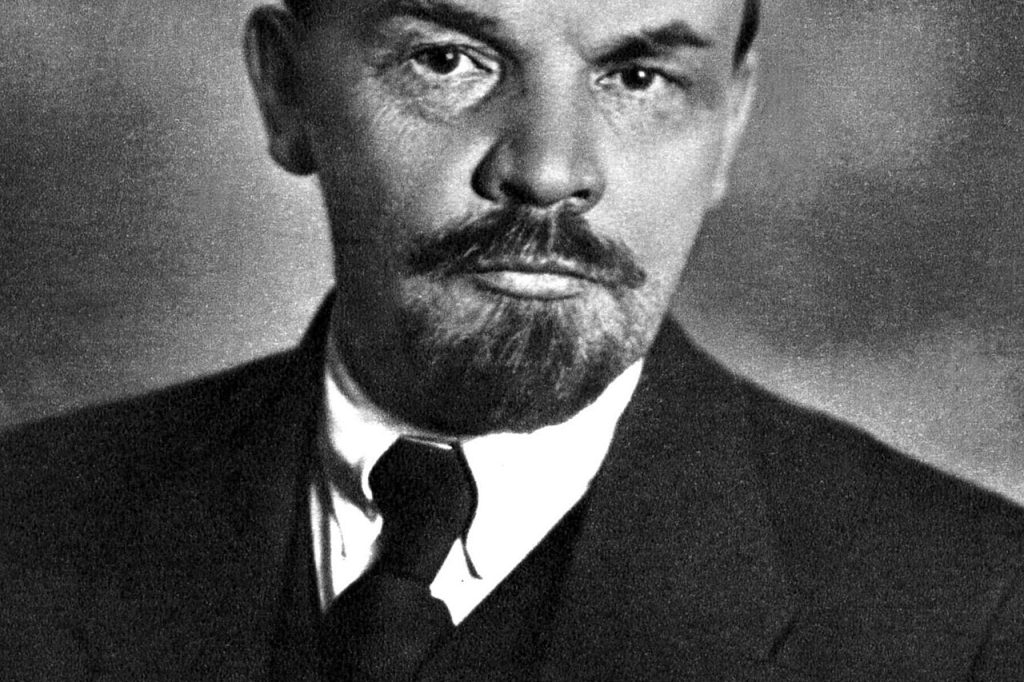
Lenin Movie Review might be the last thing you expected from a 2026 Indian Telugu‑language romantic action film about the life of Russian revolutionary Vladimir Lenin—but isn’t that exactly why you’re curious? You’re watching Tollywood experiment with a blend of genre and history, directed by Murali Kishor Abburu and backed by producers Akkineni Nagarjuna and Suryadevara Naga Vamsi under Manam Enterprises and Sithara Entertainments. With some Reddit viewers already calling it “yet another bad movie in 2026,” you may be wondering whether to buy a ticket or skip it. This Lenin movie review will help you sort through the hype, the backlash, and everything in between.
Lenin Movie Review
Telugu‑language romantic action film set around Vladimir Lenin’s life, released June 26, 2026. Produced by Akkineni Nagarjuna and Suryadevara Naga Vamsi under Manam Enterprises and Sithara Entertainments. Early Reddit reactions highlight at least some negative audience reception.
Context and Production Background of the 2026 Telugu Film
You step into this story knowing it’s pitched as a romantic action drama, yet every lenin movie review you’ll read has to wrestle with the biographical premise credited on its official listing.
How the Project Was Positioned Before Release
From the start, you see the film marketed as a 2026 Indian Telugu‑language romantic action film, while its IMDb entry frames it around “the life of Russian communist revolutionary, Vladimir Lenin.” That contrast sets up expectations that can easily clash once you sit in the theater.
Key setup points you’ll notice:
- Language and industry: firmly in mainstream Tollywood.
- Genre label: romantic action, despite the historical subject.
- Official premise: a life story of Vladimir Lenin.
- Release timing: June 26, 2026, in the mid‑year Telugu slate.
Who’s Backing and Shaping the Film
Behind what you see on screen, the core creative and industrial forces are:
| Role | Names |
|---|---|
| Director | Murali Kishor Abburu |
| Producers | Akkineni Nagarjuna, Suryadevara Naga Vamsi |
| Banners | Manam Enterprises, Sithara Entertainments |
Knowing these names gives you context for why the movie tries to straddle commercial romance, action beats, and a revolutionary biopic idea.
How Lenin Blends Romantic Action With a Revolutionary Biopic Premise
You feel the film’s core experiment right away: it tries to wrap the life of Vladimir Lenin in the familiar rhythm of Telugu romantic action cinema. Instead of treating the revolutionary leader as distant history, the script frames his ideals through heightened emotions, dramatic confrontations, and stylized set‑pieces.
Romantic Beats Inside a Political Arc
The romantic track is designed as your way into the ideology:
- Emotional conflicts mirror clashes over class and power
- Relationship stakes are raised using public protests and political speeches
- Personal loyalty is constantly tested against loyalty to the movement
| Element | Romantic Action Style | Revolutionary Biopic Aim |
|---|---|---|
| Conflicts | Lovers vs. rivals/family | Lenin vs. entrenched power structures |
| Key set‑pieces | Fights, rescues, chases | Strikes, crackdowns, ideological debates |
| Emotional payoff | Union or separation of lovers | Triumph or setback of the revolution |
This section of any lenin movie review naturally turns on whether that fusion convinces you: does the genre energy sharpen Lenin’s ideas, or does the love story drown out the politics you came to see?
lenin movie review and Early Audience Reactions
If you’re scanning early chatter before watching, this section pulls together what viewers are actually saying, beyond any polished headlines or promotional buzz.
Snapshot of First-Wave Reactions
Reddit threads that went live right after release show a critical edge. One comment labels it “Yet another bad movie in 2026,” setting a disappointed tone. Early audience notes tend to focus on:
- Frustration with how the revolutionary premise is handled
- Mixed feelings about the romantic action portions
- Surprise at how directly the film leans into its biographical angle
Same‑day reactions across multiple Telugu‑movie subreddits show that the film generated enough curiosity for people to rush in and post impressions as soon as they left the theater.
What Viewers Seem to Be Weighing
When you read through those discussions, you’re likely to compare your own reactions on points like:
| Aspect | What early viewers talk about most |
|---|---|
| Tone balance | Shifts between romance, action, and political drama |
| Expectations | How the marketing matched what they actually saw |
| Overall impact | Whether it stands out in the 2026 lineup |
If you like to cross‑check fan reactions with basic reference details, you can also glance at IMDb’s entry before deciding how much weight to give those early comments.
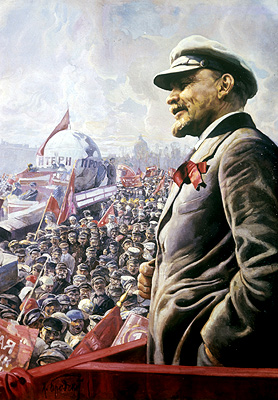
Direction, Performances, and Technical Craft Under Murali Kishor Abburu
Murali Kishor Abburu’s work behind the camera is where a detailed look naturally shifts from story to execution, because this is the layer that most strongly shapes how you actually feel during the film.
Murali Kishor Abburu’s Directorial Choices
You can feel the director constantly juggling romance, action, and the revolutionary biopic angle. His approach leans on:
- Clear, easy‑to‑follow staging in conflict scenes
- Straightforward emotional beats in the love track
- Frequent cross‑cutting to keep different threads in motion
This gives the film a steady rhythm, even when the tonal shifts feel abrupt.
| Aspect | How It Feels to You |
|---|---|
| Pacing | Consistent, if sometimes flat |
| Tone management | Functional, with some rough edges |
| Visual style | Clean and conventional |
Performances and Character Energy
As a viewer, you’re likely to respond more to individual moments than to fully rounded characters. The actors are directed to:
- Hit emotional peaks clearly rather than subtly
- Sell the romance with direct, on‑the‑nose expressions
- Deliver ideological dialogue with the punch of commercial one‑liners
This can be engaging in the moment, even if you wish for more layered work in quieter scenes.
Technical Craft: Cinematography, Editing, and Sound
On the technical side, your experience is shaped by straightforward craft:
- Cinematography favors bright, high‑contrast frames that keep the romantic action tone front and center.
- Editing maintains clarity in set pieces, though some transitions between personal drama and historical weight feel sudden.
- Sound design and background score push emotions assertively, guiding your responses.
By this point in your viewing journey, you may find yourself recognizing the overall control Abburu keeps over this mix of elements, even if you’re not fully convinced by every creative choice.
Where This Film Fits in 2026 Tollywood Trends and Nagarjuna’s Production Choices
This project lands at a crossroads in Tollywood’s 2026 landscape: star‑driven formulas on one side, and riskier, concept‑driven experiments on the other.
How It Lines Up With 2026 Genre Experiments
By 2026, more Telugu films are trying mash‑ups—especially romantic action blended with political or historical backdrops. This one pushes that experiment further by anchoring a mainstream love‑and‑violence template to the life of Vladimir Lenin, something more typical of niche world‑cinema than commercial Tollywood.
That puts it in the broader trend critics point to when they discuss “genre hybridity” in popular cinema, where producers test how far they can bend audience expectations without breaking them. (For background on how mass genres evolve, the British Film Institute offers industry essays.)
Nagarjuna’s Calculus as a Producer
Akkineni Nagarjuna’s choice to back this under his Manam Enterprises banner, alongside Sithara Entertainments, stands out:
- It signals a willingness to attach a big Telugu brand to political material.
- It uses a familiar romantic‑action chassis as a commercial safety net.
- It leans on a director with a defined concept rather than a purely star‑centric package.
| Aspect | Typical 2026 Tollywood Move | What This Film Does |
|---|---|---|
| Political content | Kept light or symbolic | Makes it a central driver |
| Genre blend | Action + comedy/romance | Romantic action + revolution |
| Producer strategy | Hero‑first packaging | Concept‑oriented risk |
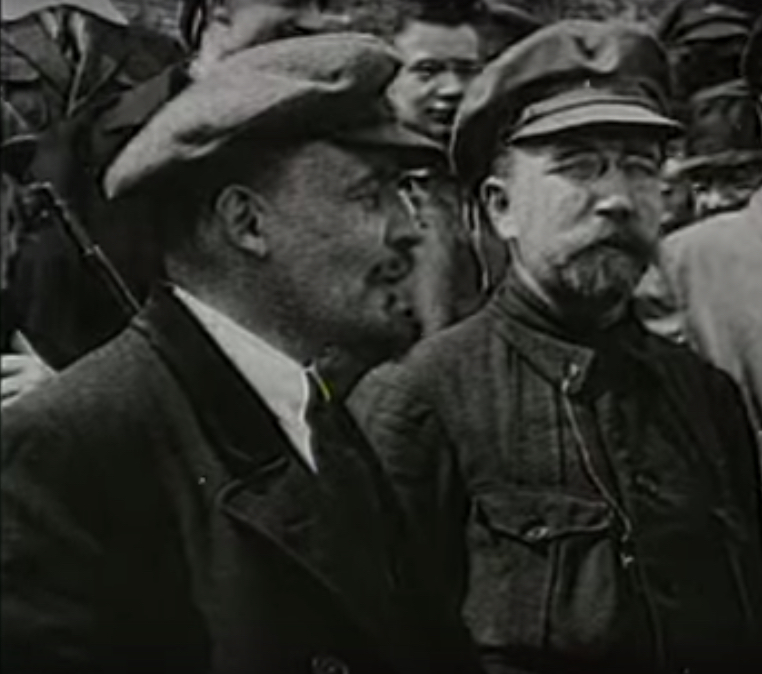
Frequently Asked Questions
How does this film’s take on Vladimir Lenin compare to what you might expect from a standard political biopic?
Instead of sticking to a dry, history‑class style retelling, the movie filters Lenin’s life through a commercial Telugu cinema lens, emphasizing emotion, conflict, and heroism. It prioritizes dramatic impact over a strictly documentary‑style exploration of ideology.
If you’re not familiar with Soviet history, will the story still make sense?
Yes, the narrative is built so you can follow the central conflicts and character motivations without deep background knowledge. You may miss some nuance in how certain events or figures are portrayed, but the emotional throughline stays clear.
What should you pay attention to if you’re watching mainly for performances?
Focus on how the lead conveys conviction and inner turmoil in key confrontational scenes, especially when the character is forced to choose between personal attachment and ideological commitment. Also watch how supporting characters react in crowd and meeting sequences; their body language often sharpens the emotional stakes.
As someone who follows Tollywood closely, what’s the most interesting production choice here?
The most striking choice is pairing a mainstream romantic action framework with a figure as globally recognized as Lenin, backed by two established producers and their banners. For a regular Tollywood viewer, that mix of mass storytelling with a politically charged subject stands out in the 2026 slate.
Given the early backlash, is there still a reason to see the movie in theaters?
If you care about where big‑budget Telugu cinema is heading, this is worth watching as a case study in how far the industry will go in experimenting with political icons inside a commercial template. Even if you end up agreeing with harsher reactions, seeing it yourself helps you understand why this particular blend of genre and biography is provoking such strong responses.
Conclusion
By the end of your Lenin Movie Review journey, you’re looking at a Telugu‑language romantic action film that takes on Vladimir Lenin’s life with a June 26, 2026 release. You know it comes from director Murali Kishor Abburu, backed by producers Akkineni Nagarjuna and Suryadevara Naga Vamsi under Manam Enterprises and Sithara Entertainments, and that some early audiences have reacted negatively. Whether you end up agreeing with them or not, this is one you’ll need to watch yourself to decide. If the mix of politics, romance, and action intrigues you, it might be worth giving it a chance and forming your own take.
Sources
Related

[…] Lenin Movie Review: A Bold Look at Revolution on the Big Screen 2026 […]
[…] Lenin Movie Review: A Bold Look at Revolution on the Big Screen 2026 · Cafe Name Ideas: Powerful Ways To Spark Irresistible Branding 2026 · Name a Pizza Topping: Exploring Remarkable Toppings From Around Reddit 2026 […]
[…] Lenin Movie Review: A Bold Look at Revolution on the Big Screen 2026 · Cafe Name Ideas: Powerful Ways To Spark Irresistible Branding 2026 · Name a Pizza Topping: Exploring Remarkable Toppings From Around Reddit 2026 […]
[…] Lenin Movie Review: A Bold Look at Revolution on the Big Screen 2026 […]
[…] Lenin Movie Review: A Bold Look at Revolution on the Big Screen 2026 […]
[…] Lenin Movie Review: A Bold Look at Revolution on the Big Screen 2026 […]
[…] Lenin Movie Review: A Bold Look at Revolution on the Big Screen 2026 · Cafe Name Ideas: Powerful Ways To Spark Irresistible Branding 2026 · Name a Pizza Topping: Exploring Remarkable Toppings From Around Reddit 2026 […]