
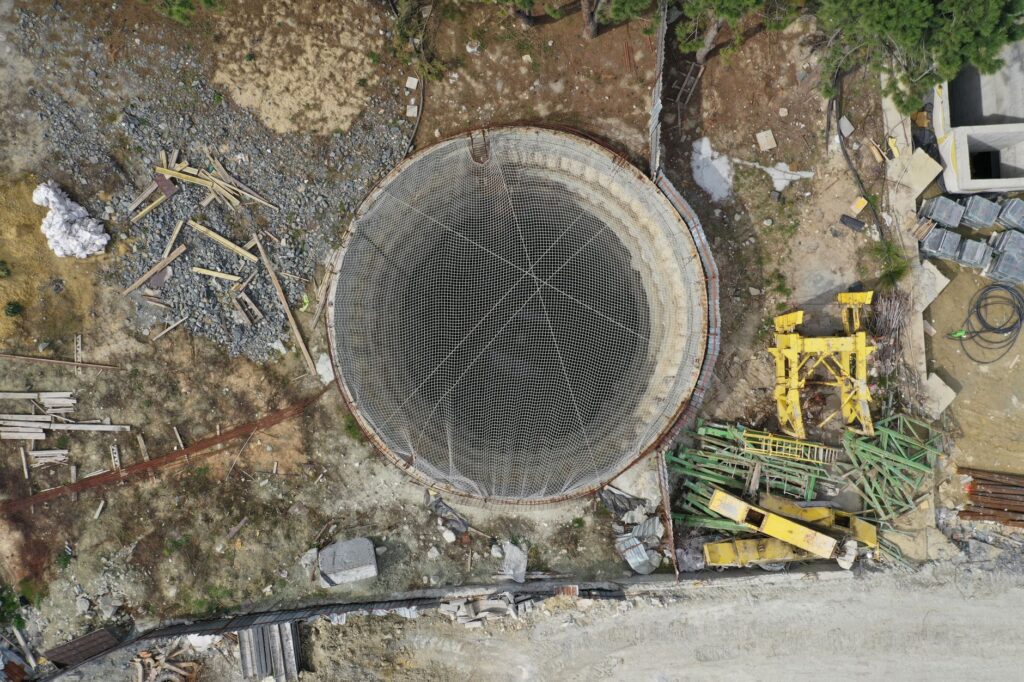
The Sharavathi Pumped Storage Project is currently facing ecological challenges that raise concerns about its sustainability and environmental impact.
Overview of the Sharavathi Pumped Storage Project
The Sharavathi Pumped Storage Project is a significant energy initiative located in the Western Ghats of India. This project aims to harness the potential of the Sharavathi River to generate hydroelectric power through a unique pumping system. By utilizing the natural elevation changes in the region, the project can store energy during low demand periods and release it during peak times, ensuring a stable energy supply.
However, the project has sparked considerable debate regarding its ecological implications. The Western Ghats, a UNESCO World Heritage site, is known for its rich biodiversity and numerous endemic species. Environmentalists have raised concerns about the potential impact on local wildlife, water quality, and the overall ecosystem.
Key factors to consider include:
- Water Flow Disruption: Alterations in the river’s natural flow may affect aquatic life.
- Habitat Loss: Construction activities could lead to the destruction of critical habitats.
- Community Impact: Local communities depend on the river for their livelihoods, and changes may disrupt their way of life.
As discussions continue, balancing energy needs with environmental protection remains a significant challenge for the Sharavathi Pumped Storage Project.
Ecological Concerns Surrounding the Project
The Sharavathi Pumped Storage Project has sparked significant ecological concerns among environmentalists and local communities alike. As the project aims to harness the potential of the Sharavathi River, several critical issues have emerged regarding its impact on the surrounding ecosystem.
One of the primary worries involves the disruption of local wildlife habitats. The construction and operation of the project threaten various species that rely on the river and its banks for survival. Additionally, the alteration of water flow could lead to unforeseen consequences for aquatic life.
Furthermore, the project poses risks to the region’s biodiversity. The area’s rich flora and fauna could face irreversible changes due to the alteration of natural landscapes. Critics argue that the long-term ecological balance could be compromised, leading to a decline in species and habitat quality.
Local residents have also voiced their concerns about water availability and quality. There are fears that the increased demand for water from the Sharavathi Pumped Storage Project could affect agricultural practices and drinking water sources.
As discussions continue, it is evident that finding a balance between energy needs and ecological preservation remains a significant challenge for stakeholders involved in the Sharavathi Pumped Storage Project.
Government’s Response to Environmental Issues
The government has acknowledged the growing concerns surrounding the Sharavathi Pumped Storage Project, particularly regarding its environmental impact. In response, officials have emphasized the importance of balancing energy needs with ecological preservation.
To address these issues, the government has proposed a series of measures aimed at minimizing the adverse effects of the project. These measures include:
- Environmental Impact Assessments: Conducting comprehensive studies to evaluate the potential ecological consequences before proceeding further.
- Public Consultations: Engaging with local communities and environmentalists to gather input and address concerns about the project’s implementation.
- Mitigation Strategies: Implementing plans to offset environmental damage, such as reforestation and habitat restoration initiatives.
- Monitoring Programs: Establishing ongoing assessment frameworks to ensure compliance with environmental standards throughout the project’s life cycle.
The government has reiterated its commitment to sustainable development, asserting that the Sharavathi Pumped Storage Project can contribute significantly to the region’s energy needs while safeguarding ecological integrity. However, critics remain skeptical about the effectiveness of these measures and emphasize the need for stricter regulations.
Impact on Local Wildlife and Ecosystems
The Sharavathi Pumped Storage Project poses significant challenges to local wildlife and ecosystems, raising concerns among environmentalists and community members alike. The project’s construction and operation threaten to disrupt habitats that are home to a variety of species, some of which are endemic to the region.
Among the most affected are:
- Birds: Many migratory and resident bird species rely on the natural landscapes surrounding the Sharavathi River for nesting and feeding.
- Mammals: The area is home to mammals such as the Indian elephant and the black panther, both of which require large territories for foraging and breeding.
- Aquatic life: The alteration of water flow and quality can severely impact fish populations and other aquatic organisms that rely on a stable ecosystem.
Furthermore, the introduction of infrastructure may lead to increased human-wildlife conflicts as animals venture closer to human settlements, seeking food or shelter. These ecological ramifications underline the pressing need for a balanced approach that considers both energy needs and biodiversity conservation in the planning of the Sharavathi Pumped Storage Project.
Future of the Sharavathi Pumped Storage Project
The future of the Sharavathi Pumped Storage Project remains uncertain as various stakeholders weigh the potential benefits against the ecological impacts. While the project promises to enhance energy storage and contribute to renewable energy goals, it also poses significant risks to the surrounding environment.
Local communities and environmentalists have voiced concerns regarding the long-term sustainability of the project. They argue that the ecological balance in the area could be disrupted, affecting both flora and fauna. There is a growing call for more comprehensive environmental assessments to ensure that all potential risks are thoroughly evaluated.
In response to these concerns, the government has pledged to implement measures aimed at mitigating environmental harm. These measures include:
- Regular monitoring of biodiversity in the region.
- Engaging with local communities to gather input and feedback.
- Conducting detailed studies on water quality and wildlife activity.
As discussions continue, the fate of the Sharavathi Pumped Storage Project will likely depend on finding a balance between energy needs and ecological preservation. The coming months will be critical in determining how these competing interests will align.
Community Reactions and Stakeholder Opinions
The Sharavathi Pumped Storage Project has sparked a wide range of reactions from the local community and various stakeholders. Many residents express profound concerns about the potential environmental repercussions, emphasizing that the project may disrupt the delicate balance of the region’s ecosystems.
Local environmentalists have voiced their apprehensions, stating that:
- Water Quality: There are fears that the construction and operation of the project could lead to contamination of local water sources.
- Flora and Fauna: Many species native to the Sharavathi valley may face habitat loss, resulting in a decline in biodiversity.
- Community Displacement: Concerns have been raised about potential displacement of local communities, which could affect their livelihoods and cultural heritage.
On the other hand, supporters of the Sharavathi Pumped Storage Project argue that it could provide essential renewable energy, contributing to the region’s economic growth. They believe that with appropriate measures, the ecological impact can be mitigated.
This divergence in opinions reflects a broader debate about balancing development with environmental stewardship, a challenge that continues to unfold as stakeholders seek solutions that honor both progress and preservation.
Photo by Sururi Ballıdağ Director on Pexels
Where this came from
Related stories



[…] Sharavathi Pumped Storage Project: A Clear Ecological Challenge […]