
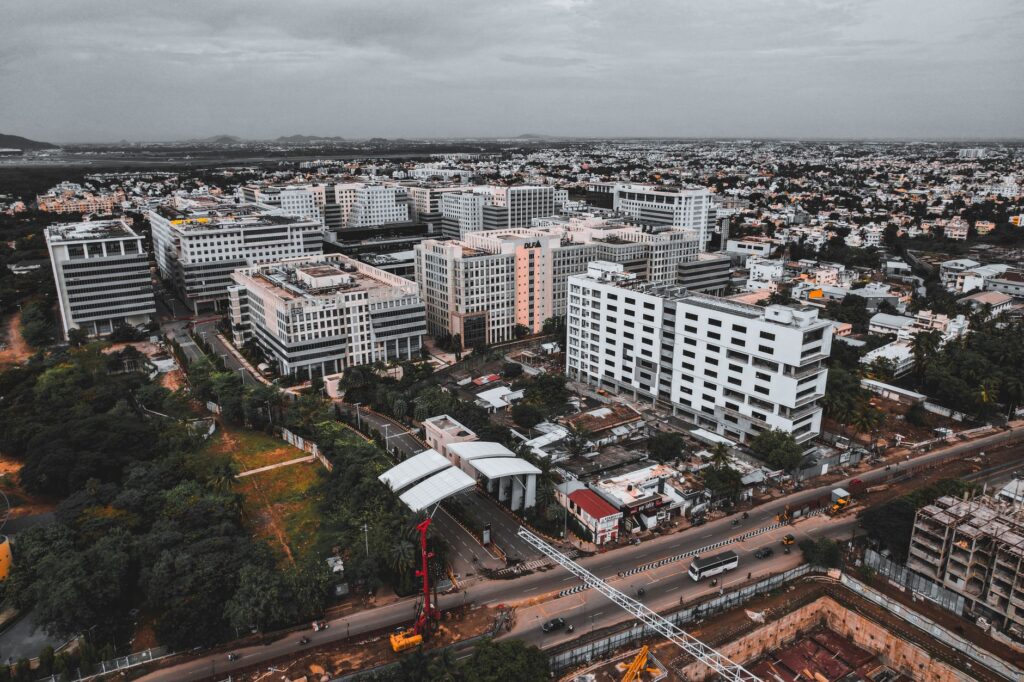
DLF growth drivers are expected to shape the company’s future as the MD outlines key strategies for revenue increase. With ambitious sales targets, the focus is on project completions and market positioning.
Overview of DLF’s Growth Strategy
DLF has strategically positioned itself for growth by focusing on three key drivers that underscore its expansion plans. The company’s Managing Director recently highlighted these growth drivers, which are designed to enhance revenue and market presence as the real estate sector rebounds.
Among the core strategies are:
- Project Completion: DLF aims to finalize several ongoing projects, which are expected to significantly boost its sales figures.
- Diverse Portfolio: The company continues to diversify its offerings, tapping into residential, commercial, and retail markets to mitigate risks and maximize revenue.
- Strategic Partnerships: Collaborating with key stakeholders allows DLF to leverage resources and expertise, thereby accelerating its growth trajectory.
With a target of ₹20,000 crore in sales bookings for FY27, DLF’s commitment to these growth drivers reflects its confidence in the real estate recovery.
Key Factors Influencing Revenue
The growth trajectory of DLF is shaped by several key factors that influence revenue generation. Understanding these DLF growth drivers is crucial for stakeholders and investors alike.
- Project Completion: Timely completion of projects is essential. DLF’s focus on delivering high-quality residential and commercial properties has helped boost its revenue.
- Strategic Partnerships: Collaborations with various stakeholders, including financial institutions and construction firms, enhance operational efficiency and market reach.
- Market Demand: Analyzing market trends allows DLF to adapt its offerings to meet consumer preferences, ensuring sustained demand for their projects.
- Innovative Marketing: Utilizing advanced marketing strategies, including digital platforms, has significantly improved DLF’s visibility and brand recognition.
These factors, combined with a strong vision for future growth, position DLF favorably in the competitive real estate market.
Impact of Project Completions
The impact of project completions is a significant factor in driving DLF’s growth. As the company successfully finishes its ongoing projects, it anticipates a substantial boost in revenue, aligning with its goal of achieving ₹20,000 crore in sales bookings by FY27. These completions not only enhance the company’s portfolio but also strengthen its market position, allowing DLF to capitalize on the increasing demand for residential and commercial properties.
In addition, the timely delivery of projects fosters customer trust and satisfaction, which are critical for long-term success. DLF’s focus on high-quality construction and innovative designs ensures that completed projects attract potential buyers and investors alike. The company’s strategy to streamline operations and enhance project management efficiency further contributes to improved completion rates.
Overall, the impact of project completions serves as a vital growth driver for DLF, reinforcing its commitment to sustainable and profitable expansion in the real estate sector.
Sales Bookings Target for FY27
DLF has set an ambitious sales bookings target of ₹20,000 crore for FY27, which is a testament to the company’s robust growth strategy. This target is seen as a critical component of DLF’s growth drivers, showcasing its commitment to expanding market share and enhancing revenue streams.
The company’s strategy revolves around several key initiatives:
- Expanding Portfolio: DLF aims to diversify its offerings by launching new residential and commercial projects that cater to evolving consumer needs.
- Strategic Partnerships: Collaborations with other industry players are being pursued to leverage combined expertise and resources, enhancing project delivery efficiency.
- Focus on Customer Experience: DLF is investing in technology and services to improve customer interactions, ensuring a seamless purchasing process.
As DLF continues to execute these strategies, the company remains optimistic about achieving its sales target, further solidifying its position in the real estate market.
Market Trends in Real Estate
The real estate market is currently experiencing significant shifts that are influencing DLF growth drivers. As urbanization continues to accelerate, demand for residential and commercial properties is on the rise. This trend is further fueled by changing consumer preferences, with an increasing number of buyers seeking sustainable and well-located developments.
Additionally, government initiatives aimed at enhancing infrastructure and easing regulations are creating a more favorable environment for real estate investments. Key market trends include:
- Increased Demand for Affordable Housing: A growing population is prompting developers to focus on affordable housing projects.
- Shift Towards Sustainable Development: Buyers are increasingly prioritizing eco-friendly and energy-efficient properties.
- Technological Advancements: Innovations in construction and property management are improving operational efficiencies.
These trends are pivotal to understanding the DLF growth drivers that will shape the company’s future success in a competitive market.
Challenges Facing DLF
Despite its ambitious plans and robust strategies, DLF faces several challenges that could impact its growth trajectory. Among the most significant hurdles are:
- Regulatory Hurdles: The ever-changing regulatory landscape in the real estate sector often complicates project approvals and can lead to delays.
- Market Competition: Intense competition from other real estate developers increases pressure on pricing and margins, potentially affecting DLF’s market share.
- Economic Fluctuations: Global economic uncertainties can influence consumer confidence and spending, thereby impacting sales and bookings.
- Supply Chain Issues: Disruptions in the supply chain can lead to project delays and increased costs, challenging DLF’s ability to meet its objectives.
Addressing these challenges effectively will be crucial for DLF as it leverages its growth drivers to achieve its ambitious targets.
Future Outlook for DLF
As DLF continues to navigate the evolving real estate landscape, the future outlook appears promising. The company’s focus on strategic expansion and innovative project execution positions it well to capitalize on emerging opportunities.
Three key growth drivers have been identified by DLF’s management, which are expected to significantly contribute to its revenue growth:
- Project Completions: Timely delivery of projects enhances consumer confidence and drives sales.
- Market Demand: A sustained increase in housing demand, particularly in urban centers, creates a favorable environment for growth.
- Diverse Portfolio: A varied project portfolio catering to different market segments allows DLF to mitigate risks and attract a wider customer base.
With these growth drivers, DLF is optimistic about achieving its ambitious sales bookings target of ₹20,000 crore for FY27, reinforcing its status as a leading player in the real estate market.
The analysis of DLF growth drivers reveals several key strategies that have consistently led to success in the competitive real estate market. By focusing on innovation and customer-centric approaches, DLF growth drivers can be effectively harnessed to maximize profitability and market share.
Photo by Kishan Rahul Jose on Pexels
Where this came from
Related stories
Voter Apathy Campaign: Proven Strategies to Engage Citizens · Reliance Digital Festival: Is It the Best Electronics Sale Yet? · Calgary Home Prices: The Best Trend for Buyers in 2026



[…] DLF growth drivers: What are the proven strategies for success? […]