By Editorial Team · Updated August 18, 2026
Name a Pizza Topping and you’ll instantly reveal more than just your dinner plans—are you the type who swears tuna belongs on a pie, or someone who’s ready to argue about banana fruit versus banana peppers? What started as a simple Facebook quiz—challenging people to list a topping without using the letter “o”—shows up across Reddit in conversations about Swedish banana curry creations, German “pfefferoni” confusion, and local habits where tuna pizzas are everyday choices. Along the way, English learners also meet the classroom question, “What is your favorite pizza topping?” and use it to practice speaking.
Name a Pizza Topping
A 2019 r/mildlyinfuriating post features a quiz daring users to name a topping without the letter “o.” Redditors have discussed banana fruit, banana peppers, tuna, and “pfefferoni” as notable toppings in different regions. ESL and TEFL materials use “pizza topping” as a standard phrase to spark conversation.
The viral challenge to “name a pizza topping” without the letter “o”
A screenshot shared on r/mildlyinfuriating in May 2019 shows a Facebook quiz daring readers: “Bet you can’t name a pizza topping without the letter ‘o’ in it.” Many immediately think of ingredients like pepperoni or mushrooms, which fail the quiz because they contain the forbidden vowel.
Why it feels trickier than it is
The challenge plays on instinct. Under time pressure, your brain usually grabs:
- Meat words that include that vowel
- Familiar Italian-style ingredients from menus
- Short, high-frequency terms that often feature “o”
Once you slow down, options without that letter appear, but the initial “I can’t think of anything!” reaction is what keeps the meme circulating.
How online comments keep the joke alive
Different Reddit threads extend the joke by bringing in regional favorites and misunderstandings about ingredient names. Users mention toppings that are normal where they live yet surprising elsewhere, and some debate whether certain fruits or peppers “count” for the quiz. These reactions turn a one-line prompt into an in‑joke about language, spelling, and food culture.
For teachers and quiz makers, this kind of constraint-based question resembles conversation prompts in ESL materials, but with an added twist that makes learners rethink their usual answers when asked to name a pizza topping.
Tuna, salami and pepperoni as everyday favorites in some regions
In some areas, if you ask people to name a pizza topping they eat all the time, you’re likely to hear tuna mentioned right alongside classic cured meats.
Local “top three” classics
One Reddit commenter describing their local scene listed a personal “top 3 most common pizzas” like this:
- Margherita
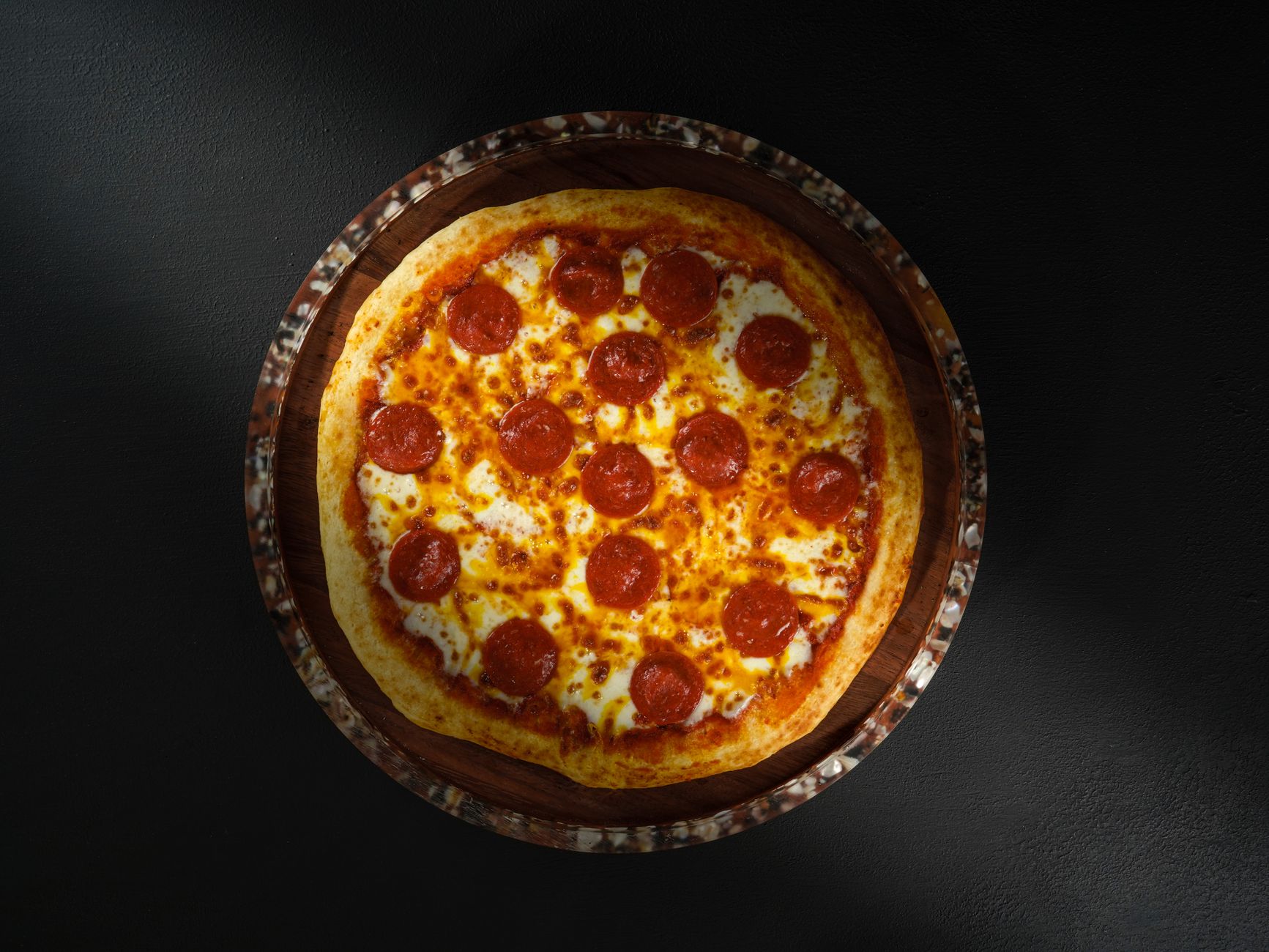
- Either salami or pepperoni
- Tuna
That list shows how normal fish can be on pizza in certain regions. Tuna appears in the same everyday category as familiar meat toppings.
Meat and fish sharing the spotlight
In those places, menus and casual conversations treat these three as standard options rather than niche favorites:
| Topping | Typical perception in that region |
|---|---|
| Margherita (cheese only) | Basic default choice |
| Salami / Pepperoni | Standard meat option |
| Tuna | Equally common alternative |
These habits influence how students answer classroom prompts like “What is your favorite pizza topping?”—someone from a tuna-loving area may list it as casually as another student lists pepperoni.
Pfefferoni pizzas and the pepperoni vs. peperone confusion
In German pizzerias, “pfefferoni” is such a common choice that you could easily respond to a menu question about toppings just by pointing to all the “Pfefferoni pizza” listings.
What “pfefferoni” usually means in Germany
In Germany, “pfefferoni” typically refers to spicy chili peppers used as a vegetable topping. On pizza, they’re:
- Sliced into rings or strips
- Added in noticeable amounts for heat
- Paired with cheese and sometimes mild meats
A commenter in a linguistics-themed Reddit thread calls pfefferoni “a very popular pizza topping” there, highlighting how normal it is in that context.
The Italian and American language mix‑up
The confusion starts when English speakers bring their expectations to European menus:
| Word | Typical meaning in context |
|---|---|
| Pepperoni | US: spicy cured meat sausage |
| Peperone | Italian: bell or other sweet peppers |
| Pfefferoni | German usage: hot peppers on pizza |
Some American visitors reportedly order “pfefferoni pizzas” expecting slices of the familiar US sausage. Instead, they receive a pie covered in hot peppers and may protest that it doesn’t match what they had in mind—even though the German menu is using the local term for peppers.
This trio of similar-looking words—pepperoni, peperone, and pfefferoni—turns a simple topping decision into a small language lesson at the table.
Banana fruit vs. banana peppers on unconventional Swedish-style pizzas
Swedish-style “banana curry” pizzas can confuse anyone trying to name a pizza topping just by reading the menu, because “banana” might mean two very different things. In an online discussion of these pizzas, one diner asked whether the topping was banana peppers or the sweet yellow fruit.
What people think “banana” means
Outside Sweden, many pizza fans automatically picture:
- Mild, pickled banana peppers
- A tangy, slightly spicy flavor that pairs with cheese
- A topping that stays firmly in the savory category
One commenter in that conversation called banana peppers “a fantastic pizza topping,” reflecting how familiar they are in many pizzerias.
What Swedish banana curry pizza actually uses
The original poster then clarified that their local banana curry pizza uses:
- Slices of the actual banana fruit
- A sweet note alongside curry sauce and cheese
Here’s how the two “bananas” compare on pizza:
| Topping | Flavor profile | Typical expectation |
|---|---|---|
| Banana peppers | Tangy, mild heat | Savory, slightly spicy |
| Banana fruit | Sweet, soft | Unusual, dessert-like |
For language learners or travelers reading Swedish menus, this detail—fruit vs. pepper—can completely change what arrives at the table when you confidently name a pizza topping you think you recognize.
Using pizza toppings in ESL and TEFL conversation practice
Designing speaking tasks around pizza toppings works well because many ESL and TEFL handouts already use questions like “What is your favorite pizza topping?” as low-pressure conversation starters. Learners recognize the topic from everyday life, but it still gives room to practice descriptive language, opinions, and comparisons.
Warm-up and vocabulary building
A simple warm-up is to put pictures of different pizzas on the board and ask:
- “What can you see on this pizza?”
- “Which ingredients do you like or dislike?”
- “Is this common in your country?”
From there, students can sort toppings into categories:
| Category | Examples students might suggest |
|---|---|
| Meat & fish | salami, tuna, ham |
| Vegetables | peppers, mushrooms, onions |
| Extras | cheese types, herbs, sauces |
This leads to adjectives (spicy, salty, sweet) and preference phrases (prefer, can’t stand, don’t mind).
Conversation tasks and mini-debates
Once basic vocabulary is active, you can move into structured speaking:
- Pair interviews: “Describe your perfect pizza,” “Which topping would you never try, and why?”
- Role-plays: Customer and server negotiating ingredients or clarifying an order.
- Mini-debates: “Should sweet fruit ever go on pizza?” or “Is fish on pizza appealing?”
These tasks encourage clarifying questions, agreeing and disagreeing, and polite refusals. By the end, even shy learners can confidently name a pizza topping and explain their choice in a short, clear sentence.
Frequently Asked Questions
Why do people find the “no letter O” pizza topping challenge so frustrating?
The challenge feels unfair because many of the first ingredients English speakers think of include that vowel, so your brain keeps jumping to answers that technically don’t qualify. That mismatch between how easy the question sounds and how tricky it actually is is what people find mildly infuriating and funny at the same time.
How can I avoid mix-ups between pepperoni, peperone, and pfefferoni when ordering?
If you’re in a non‑English‑speaking country, it helps to say clearly whether you want spicy peppers or a cured meat and to point to a menu description if one is available. Using the local word for “salami” or “spicy peppers” instead of relying on look‑alike terms reduces the chances of getting a very different pizza than you expected.
Why do some regions treat tuna as a standard topping instead of a novelty?
In places where tuna pizza is common, it’s part of local food habits in the same way pepperoni is elsewhere. Because people see it on menus and eat it regularly, it feels like an everyday choice rather than something unusual.
How do Swedish‑style fruit pizzas influence the way people think about what “belongs” on pizza?
When diners encounter bananas or other sweet ingredients on a pizza, it can prompt them to question their assumptions about what counts as typical. Some become more open to new combinations, while others prefer familiar toppings.
How can teachers keep pizza‑themed ESL activities from getting repetitive?
Vary the task around the same basic question by changing the goal: one day learners compare favorites, another day they design a class menu, and another they role‑play a restaurant order. The prompt about a favorite pizza topping becomes a flexible hook for new vocabulary, grammar points, and interaction patterns.
Conclusion
When someone says, “Name a Pizza Topping,” it can lead to lighthearted quizzes and to conversations about local habits and language. From that Facebook challenge about avoiding the letter “o,” to discussions of banana fruit on Swedish curry pizzas, to tuna appearing alongside Margherita and salami or pepperoni as a local favorite, what people put on their slices varies by place and culture. English learners also use toppings as a way to practice speaking about preferences. Take a moment to think about your own favorite combination—and maybe ask a friend what they’d put on their next pizza.
Sources
Related