
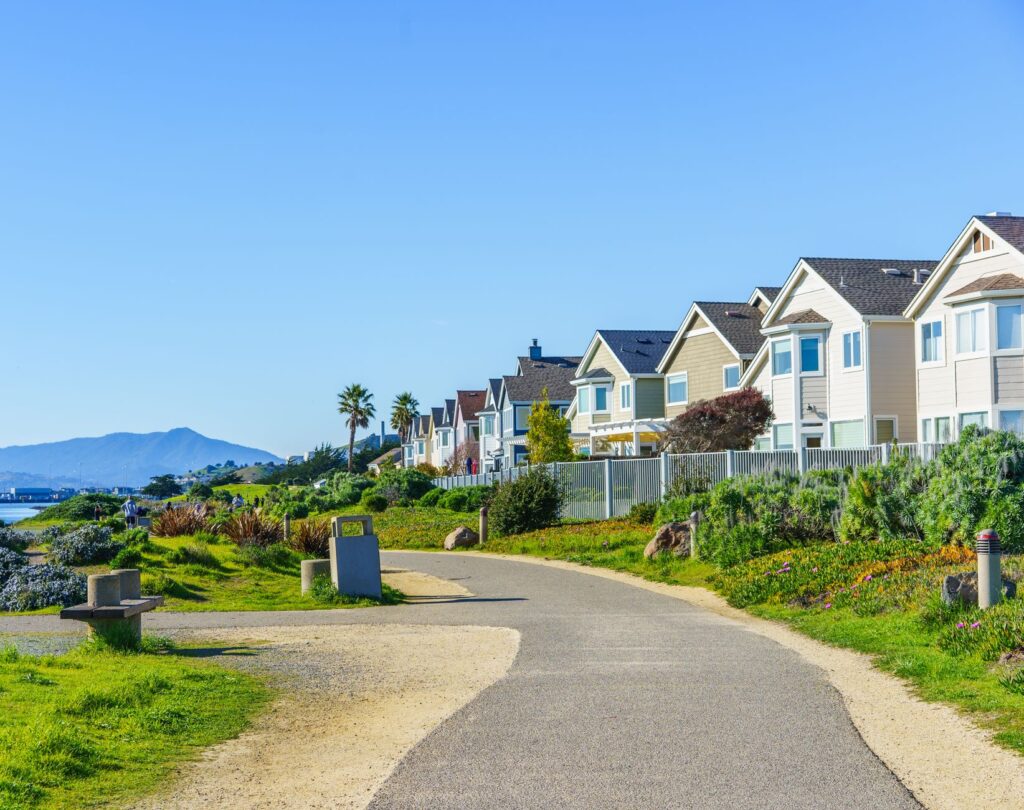
Bay Area home prices continue to climb, defying the typical seasonal slowdown seen in the fall. This trend raises questions about the sustainability of the market.
Current Trends in Bay Area Home Prices
Recent data indicates that Bay Area home prices continue to climb even as the market typically slows down in the fall. This trend defies seasonal expectations and highlights the region’s ongoing appeal among homebuyers.
Several factors contribute to the rising values:
- Low inventory: A persistent shortage of available homes has driven competition, pushing prices higher.
- High demand: The Bay Area remains a desirable location for tech professionals and families seeking quality education and amenities.
- Low interest rates: Favorable mortgage rates have made home buying more accessible, encouraging potential buyers to enter the market.
Moreover, recent studies suggest that the market may not experience the typical seasonal dip this year. Instead, analysts predict a more stable trajectory for home prices as buyers remain eager to secure properties before the year ends.
This combination of factors indicates a robust housing market, with Bay Area home prices likely to continue their upward trend in the coming months, reflecting the region’s strong economic fundamentals and enduring desirability.
Factors Driving Price Increases
Several factors are contributing to the increasing Bay Area home prices, making it a competitive real estate market. First, the region’s robust economy continues to attract both businesses and residents, leading to higher demand for housing. Tech companies and startups are thriving in the area, with many professionals seeking homes close to their workplaces.
Another significant factor is the limited housing supply. Despite ongoing construction efforts, the demand for homes still outpaces the available inventory. This scarcity causes bidding wars, pushing prices even higher.
Moreover, low mortgage rates have encouraged many buyers to enter the market, creating a sense of urgency. As prospective homeowners rush to secure financing, they often compromise on specific requirements, further driving prices upward.
Additionally, the Bay Area’s desirable quality of life, including access to outdoor activities, cultural events, and top-rated schools, makes it an attractive destination for families and individuals alike. These elements combined with the economic stability of the region continue to elevate Bay Area home prices, despite the typical seasonal slowdown that usually occurs in the fall.
Impact of Seasonal Changes on Housing
As the seasons shift in the Bay Area, home prices often reflect the cyclical nature of the housing market. Typically, the fall season brings a slowdown in activity, as families settle into their routines for the school year. However, this year, Bay Area home prices continue to defy expectations, showcasing resilience against the typical seasonal decline.
Several factors contribute to this phenomenon:
- Continued Demand: Despite the cooling temperatures, buyer demand remains strong, driven by low interest rates and a competitive job market.
- Limited Inventory: The inventory of available homes has not kept pace with demand, resulting in multiple offers and bidding wars.
- Investment Opportunities: Investors are increasingly looking to the Bay Area for potential returns, further driving up prices.
These dynamics indicate that while seasonal changes typically influence home prices, the Bay Area market exhibits unique characteristics that keep values rising. Buyers and sellers alike should remain aware of these trends as they navigate the complex landscape of the housing market.
Expert Opinions on the Market
Experts in the real estate market have been closely monitoring the ongoing rise in Bay Area home prices, offering insights into what the future might hold. According to local analysts, several factors are contributing to the sustained demand for housing in the region.
Maria Thompson, a senior economist, emphasizes that the low inventory levels continue to pressure prices upward. “We are seeing a persistent need for housing, which outstrips the current supply,” she noted. “This trend is likely to continue as more people seek to settle in the Bay Area.”
Additionally, James Lee, a local real estate agent, points out that interest rates, while fluctuating, remain low compared to historical averages. “Buyers are eager to capitalize on favorable financing options, which encourages them to act sooner rather than later,” he explained.
Another point highlighted by experts is the influx of tech workers. Emily Chen, a market analyst, states, “The Bay Area remains a hub for innovation, attracting talent from across the country. This not only drives demand but also contributes to rising home values.”
As the market evolves, many are left wondering how long this upward trajectory in Bay Area home prices will last.
Comparative Analysis with Previous Years
The analysis of Bay Area home prices over the past few years reveals a consistent upward trajectory, despite typical seasonal fluctuations. In comparison to the previous year, the average home price in the region has increased by approximately 10%. This significant rise is reflective of ongoing demand, which continues to outpace supply.
When looking back over the last five years, the trend becomes even more apparent:
- 2019: The average home price was around $1.2 million.
- 2020: A slight increase to $1.3 million, driven by low interest rates.
- 2021: Prices surged to $1.5 million, with many buyers seeking more space due to remote work.
- 2022: A plateau at approximately $1.6 million as the market adjusted to changes.
- 2023: The latest figures show an average of $1.7 million, indicating further growth.
This comparative analysis underscores a robust market where Bay Area home prices are positioned to continue their upward momentum, shaped by persistent demand and limited inventory.
Buyer Sentiment in Today’s Market
As the Bay Area home prices continue to rise, buyer sentiment is shifting in response to the changing dynamics of the market. Many potential homebuyers are feeling a sense of urgency, driven by concerns that prices may climb even higher in the coming months.
According to recent surveys, the following trends are influencing buyer behavior:
- Increased Competition: With inventory levels remaining low, buyers are facing fierce competition for available homes, leading to multiple offer situations.
- Interest Rates: Despite fluctuations, many buyers are motivated to lock in mortgages before rates potentially rise further.
- Desire for Stability: Homeownership is viewed as a safe investment, prompting many to pursue purchases even during economic uncertainty.
- Remote Work Flexibility: The rise of remote work has expanded buyer interest beyond traditional urban centers, driving prices up in suburban areas.
While some buyers express concern about affordability, the overall sentiment leans toward optimism. Many believe that investing in Bay Area home prices now can lead to substantial long-term benefits, as the region continues to attract tech talent and innovation.
Future Predictions for Home Prices
As the Bay Area home prices continue their upward trajectory, many experts predict that this trend will persist into the coming months and years. With a strong demand for housing and a limited supply, analysts foresee several key factors that could influence future market conditions.
One significant element is the ongoing economic recovery, which is expected to bolster consumer confidence and purchasing power. As more individuals return to the workforce and job opportunities expand, the appetite for homeownership in the Bay Area is likely to increase.
Additionally, interest rates remain relatively low, making financing more accessible for potential buyers. This scenario could further stimulate demand, driving Bay Area home prices higher.
Another aspect to consider is the shift in work patterns. With remote work becoming a long-term option for many companies, buyers may seek homes in various neighborhoods, potentially leading to increased competition and higher prices across a broader area.
However, some analysts caution that external economic factors, such as inflation and changes in federal policies, could impact the housing market. Monitoring these developments will be crucial for understanding the future of Bay Area home prices.
Navigating the Bay Area Real Estate Landscape
Navigating the Bay Area real estate landscape can be challenging, especially as Bay Area home prices continue to rise. Buyers and sellers alike must remain informed about the dynamics shaping the market to make educated decisions.
One key aspect to consider is the increasing demand for homes in the region, driven by factors such as job growth and a desire for more space. As the tech industry thrives, many professionals are vying for properties in desirable neighborhoods, further pushing prices upward.
Additionally, potential buyers should be aware of the competition they face in this market. Many listings receive multiple offers, often leading to bidding wars that can inflate home prices even more. Understanding the nuances of these trends can give buyers an edge.
For sellers, now may be an opportune time to list properties, especially as inventory remains relatively low. Engaging with experienced real estate agents who are familiar with the local market can facilitate successful transactions.
Ultimately, staying attuned to the latest developments in the Bay Area real estate landscape is essential for anyone looking to buy or sell homes in this competitive environment.
Photo by Robert So on Pexels
Sources
You might also like



[…] Bay Area home prices: Clear trends show rising values […]