
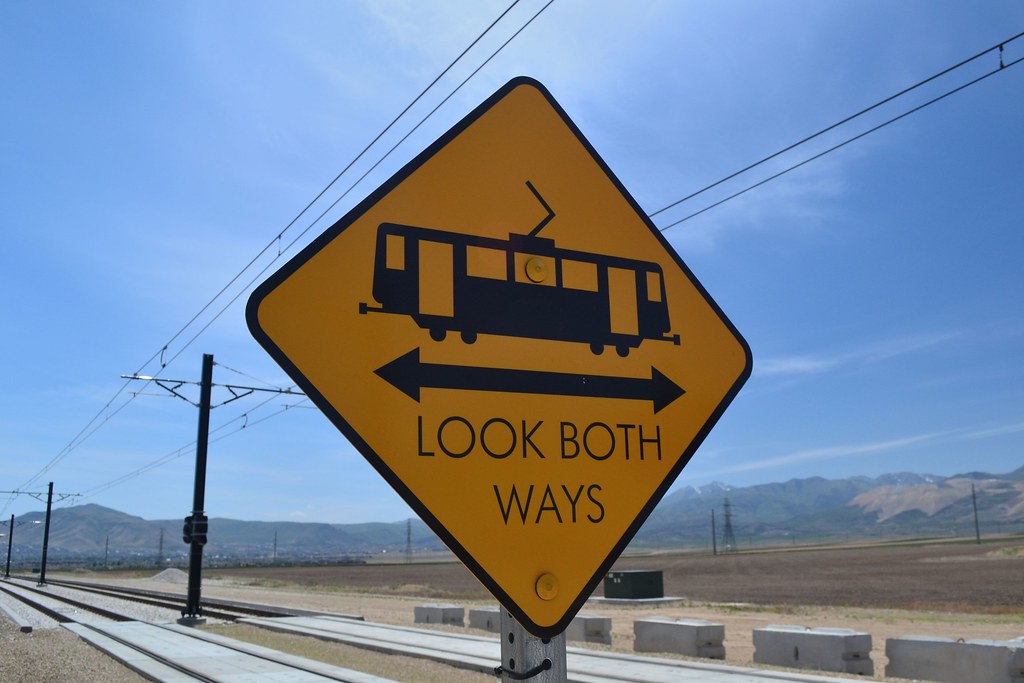
The cost of keeping roads safe is a pressing issue for many communities. As potholes become more prevalent, the expenses associated with road maintenance continue to rise, affecting budgets and safety.
Understanding the Cost of Road Maintenance
Maintaining safe roads is essential for public safety and economic stability. The cost of keeping roads safe encompasses various factors, including regular maintenance and emergency repairs. Local governments often face budget constraints, making it challenging to address issues such as potholes in a timely manner.
Several key components contribute to the overall expenses of road maintenance:
- Routine Inspections: Regular assessments are necessary to identify potential hazards before they escalate.
- Repair Work: Fixing potholes and cracks requires not only materials but also skilled labor.
- Winter Preparations: Snow plowing and salting add significant costs during the winter months.
- Long-Term Investments: Upgrading infrastructure to withstand weather conditions can reduce future repair costs.
Without proper funding and attention, the safety of our roads may be compromised, leading to higher long-term costs for communities.
The Impact of Potholes on Communities
Potholes are more than just an inconvenience; they have a significant impact on communities and local economies. The cost of keeping roads safe escalates when potholes are left unaddressed, leading to increased vehicle damage, higher maintenance costs for drivers, and potential accidents.
Residents often experience:
- Increased repair bills due to damaged tires and suspensions.
- Longer commute times as drivers navigate around dangerous road conditions.
- Higher insurance premiums from accidents caused by poor road conditions.
- Reduced property values in neighborhoods with poorly maintained streets.
Moreover, local governments face mounting pressure to allocate funds for repairs, diverting resources from other essential services. This cycle of neglect can ultimately hinder community growth and safety.
Budgeting for Infrastructure Improvements
Budgeting for infrastructure improvements is essential to ensure the cost of keeping roads safe does not escalate. Local governments face the challenge of balancing tight budgets while addressing deteriorating road conditions.
In many regions, the funds allocated for road maintenance are often insufficient, leading to a cycle of temporary fixes that can be more costly in the long run. Key factors influencing these budgets include:
- Material costs: Prices for asphalt and concrete fluctuate, impacting overall maintenance budgets.
- Labor expenses: Skilled labor shortages can drive up costs for road repair projects.
- Funding sources: Dependence on state and federal assistance can create uncertainties in planning.
Ultimately, investing adequately in infrastructure not only preserves road safety but also enhances community wellbeing and economic vitality.
Innovative Solutions for Safer Roads
As communities grapple with the cost of keeping roads safe, innovative solutions are emerging to address road safety and maintenance. Many cities are turning to advanced technology to detect potholes before they become hazardous. For instance, drone surveys and smart sensors are being deployed to identify problem areas, allowing for timely repairs and reducing long-term costs. In addition, some municipalities are exploring the use of recycled materials in road construction, which not only cuts expenses but also promotes sustainability.
Furthermore, public-private partnerships are proving effective in sharing the financial burden of road upkeep. By collaborating with private companies, local governments can enhance infrastructure while minimizing the overall cost of keeping roads safe. These innovative approaches not only improve road conditions but also foster community engagement and support for necessary funding initiatives.
By CountyLemonade via Openverse
Sources
You might also like



[…] Cost of Keeping Roads Safe: The Real Price of Potholes […]